Frequently Asked Questions
Product Information
What products and services does DragonPlate offer?
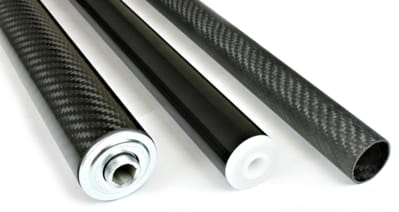
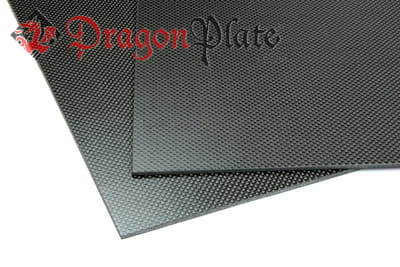
DragonPlate manufactures and supplies a wide range of high-performance carbon fiber composite materials, including veneer sheets, solid sheets and plates, sandwich sheets, carbon fiber tubes (round, square, rectangular, hexagonal, airfoil, large, tapered, braided, roll-wrapped, pultruded), telescoping tubes, modular connector systems, structural components (angles, I-beams, C-channels), specialty products (high-temperature, flame-retardant, Kevlar hybrids), and accessories such as adhesives and bonded fasteners. Custom fabrication services like CNC cutting and tailored design are also available. For a full list, visit DragonPlate's product catalog. Note: Not all products are suitable for every application; consult technical documentation for compatibility.
What is the primary purpose of DragonPlate products?
DragonPlate products are designed to provide high-performance carbon fiber composite materials that address challenges such as weight reduction, durability, and performance optimization. They are used in industries requiring lightweight yet strong materials, with advanced engineering tools like Finite Element Analysis (FEA) ensuring designs are optimized for both performance and cost-effectiveness. Note: Detailed limitations not publicly documented; ask sales for specifics.
Features & Capabilities
What are the key features and benefits of DragonPlate products?
Key features include advanced engineering tools (such as FEA for design optimization), customization options (CNC cutting, custom sheet sizes, specialized laminate schedules), end-to-end services (design, prototyping, manufacturing), superior material performance (high strength-to-weight ratio, environmental resistance), and regulatory compliance (biocompatible and radiolucent materials). DragonPlate is ISO 9001:2015 certified. Note: Not all features are available for every product; check product specifications for details.
How does DragonPlate ensure product quality and compliance?
DragonPlate manufactures all products under ISO 9001:2015 quality standards at its facility in Elbridge, New York. The company has completed a CMMC Level 1 self-assessment (submitted to SPRS) and a NIST SP 800-171 self-assessment to meet DFARS 252.204-7012 requirements, and is actively advancing its cybersecurity program to meet CMMC Level 2. Note: For further details, contact service@dragonplate.com or call 315-252-2559.
What technical documentation and resources are available for DragonPlate products?
DragonPlate provides extensive technical documentation, including product catalogs (e.g., 3M Adhesives, Artisan Plate Carbon Fiber Sheets, Bonded Fasteners), technical guides (such as The Ultimate Guide to Carbon Fiber Design and Application), downloadable CAD models, and detailed weights and specs. Case studies and success stories are also available. Access resources at CAD Models and Weights & Specs. Note: Some resources may require registration or direct inquiry.
Use Cases & Benefits
Who can benefit from using DragonPlate products?
DragonPlate serves engineers, product designers, procurement managers, and researchers in industries such as aerospace, defense, medical devices, robotics, industrial automation, and research institutions. Applications include UAVs, radomes, robotic arms, medical imaging devices, and composite chassis for wall-climbing robots. Note: Best fit for teams needing high-performance, customizable composites; teams requiring commodity materials may want to consider alternatives.
What business impact can customers expect from using DragonPlate?
Customers have reported significant cost savings (e.g., $1 million annual savings with a custom carbon fiber robotic arm), improved efficiency through streamlined processes, faster lead times, and enhanced product performance (such as optimized weight and durability for wall-climbing robots). Regulatory compliance and innovation are also cited benefits. Note: Results may vary depending on project scope and requirements.
Can you share specific case studies or success stories involving DragonPlate products?
Yes. Examples include: cost reduction and durability improvements for marine defense systems (Frontier Electronic Systems), enhanced drone test bed systems (Eureka Dynamics), significant weight reduction and structural integrity for student rocket teams, and optimized chassis for wall-climbing robots (International Climbing Machines). See Eureka Dynamics case study and Rocket case study. Note: Not all case studies are publicly available; contact sales for more details.
Pain Points & Problem Solving
What common challenges do DragonPlate products help solve?
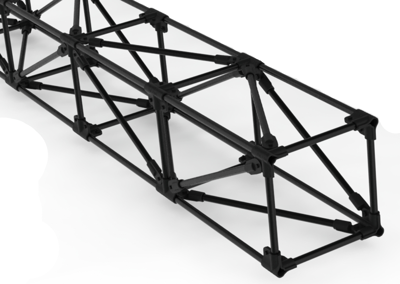
DragonPlate addresses high manufacturing costs (via FEA and material optimization), long lead times for custom parts (stocked inventory and CNC cutting), complex manufacturing processes (end-to-end services), difficulty cutting/machining carbon fiber (CNC services and safety guidance), joining tubes without welding (ModCon modular connectors), regulatory compliance (biocompatible/radiolucent materials), and material handling safety. Note: Some challenges may require additional consultation for optimal solutions.
What are some pain points expressed by DragonPlate customers?
Customers often cite high manufacturing costs, long lead times for custom parts, complexity in manufacturing processes, difficulty cutting and machining carbon fiber, challenges joining tubes without welding, regulatory hurdles, and safety concerns during material handling. DragonPlate addresses these with FEA, CNC services, modular connectors, and compliance-ready materials. Note: Not all pain points can be fully resolved for every application; discuss your needs with the DragonPlate team.
Technical Requirements & Implementation
How easy is it to implement DragonPlate products?
DragonPlate offers ready-to-use components that can be cut, drilled, and bonded without specialized equipment, enabling immediate integration into projects. Technical guides and downloadable CAD models are available to simplify design and implementation. For complex projects, custom design and prototyping services are offered. Note: Some advanced applications may require consultation or specialized support.
Product Performance
How do DragonPlate products perform in demanding environments?
DragonPlate’s carbon fiber materials are engineered for optimal strength-to-weight ratio and are highly resistant to corrosion, temperature extremes, and UV exposure. Products have been used in nuclear and industrial robotics, marine defense, and aerospace applications. Note: Performance may vary based on specific product and application; consult technical documentation for details.
Support & Customer Service
What support options are available for DragonPlate customers?
DragonPlate provides comprehensive customer support, including FAQs, shipping info, technical documentation, and direct assistance via phone (315-252-2559) or email (service@dragonplate.com). For complex projects, the Element 6 Composites brand offers tailored design and manufacturing support. Note: Response times may vary during peak periods.