Frequently Asked Questions
Product Information & Features
What products does DragonPlate offer?
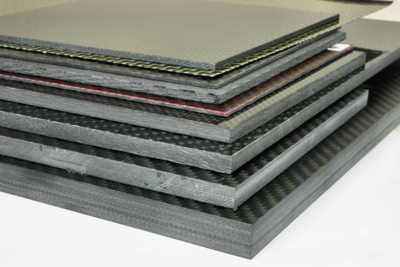
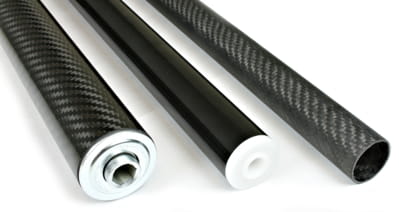
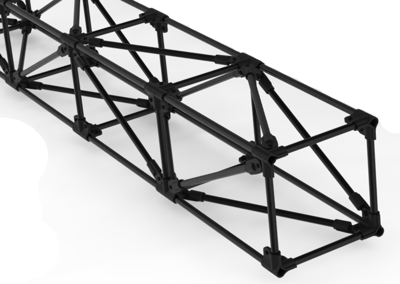
DragonPlate manufactures and supplies a wide range of high-performance carbon fiber composite materials, including sheets, plates, veneers, tubes, rods, strips, sandwich panels, modular connector systems, structural components (angles, I-beams, C-channels, D-Tube Neck Beam™, Tangent Tube Mount™), high temperature and flame retardant products, Kevlar composites, hybrid sheets, accessories (bonded fasteners, adhesives, polishes), and quadcopter kits. All products are manufactured under ISO 9001:2015 quality standards at their facility in Elbridge, New York. Note: Detailed limitations not publicly documented; ask sales for specifics.
What are the key features and benefits of DragonPlate carbon fiber products?
DragonPlate products are lightweight and strong, offering an optimal strength-to-weight ratio. They are highly resistant to corrosion, temperature extremes, and UV exposure. Advanced engineering tools like Finite Element Analysis (FEA) are used to optimize designs and reduce material waste. Modular connector systems allow for easy assembly of rigid structures without welding or specialty bonding. Customization options include CNC cutting, custom sheet sizes, and specialized laminate schedules. Note: Best fit for projects requiring high performance and customization; teams needing commodity-grade materials may want to consider alternatives.
How strong are DragonPlate carbon fiber plates and rods?
DragonPlate carbon fiber plates and rods are exceedingly strong and rigid, making them suitable for applications where stiffness and lightness are important. The strength and durability are achieved by bonding layers of carbon fiber cloth into a laminate. Note: Strength varies by product type and application; consult technical specs for details.
What technical documentation and resources are available for DragonPlate products?
DragonPlate provides detailed product catalogs for adhesives, carbon fiber sheets, and bonded fasteners, technical guides such as The Ultimate Guide to Carbon Fiber Design and Application, downloadable CAD models, and a product category hierarchy documentation. These resources support design, maintenance, and troubleshooting. Note: Some documentation may require registration or direct inquiry.
Use Cases & Industries
Who can benefit from DragonPlate products?
DragonPlate's target audience includes aerospace engineers, medical device designers, robotics engineers, industrial automation specialists, defense contractors, drone innovators, robotics startups, hobbyists, researchers, and government agencies. Products are designed for professionals and organizations requiring high-performance, lightweight, and durable carbon fiber solutions. Note: Not all products are suitable for every industry; consult sales for application-specific recommendations.
What industries are represented in DragonPlate's case studies?
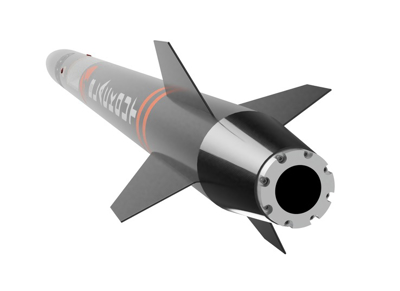
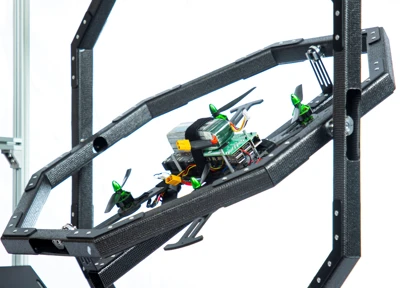
DragonPlate case studies cover marine defense (US Navy), drone technology (Eureka Dynamics), aerospace (student rocket organizations), medical devices, robotics (International Climbing Machines), and industrial automation (robotic arms). These demonstrate versatility in addressing industry-specific challenges. Note: Case studies are limited to documented collaborations; not all industries are covered.
Can you share specific customer success stories using DragonPlate products?
DragonPlate collaborated with Frontier Electronic Systems to design composite electrical enclosures for marine defense, Eureka Dynamics for drone test bed systems, student organizations for carbon fiber rockets, International Climbing Machines for wall-climbing robots, and developed a custom robotic arm that saved a customer $1 million annually. See case study for details. Note: Success stories are limited to documented projects; results may vary by application.
Pain Points & Solutions
What common challenges do DragonPlate products address?
DragonPlate addresses high manufacturing costs, long lead times for custom parts, complex manufacturing processes, difficulty cutting and machining carbon fiber, joining tubes without welding, regulatory challenges, weight and performance optimization, and material handling safety concerns. Solutions include optimized designs, CNC cutting services, modular connector systems, biocompatible materials, and safety guidance. Note: Some challenges may require additional vendor support or specialized tools.
What problems do DragonPlate products solve for customers?
DragonPlate solves problems such as inefficient part designs, excess material usage, labor-intensive fabrication, fragmented projects across vendors, abrasive machining challenges, joining tubes without welding, regulatory compliance, and safety risks. Advanced tools like FEA, stocked inventory, CNC cutting, modular connectors, and biocompatible materials are used to address these issues. Note: Not all problems are solved for every customer; consult sales for tailored solutions.
Implementation & Ease of Use
How easy is it to start using DragonPlate products?
DragonPlate offers ready-to-use carbon fiber sheets, tubes, and connectors that can be cut, drilled, and bonded without specialized equipment. Technical guides and downloadable CAD models simplify design and implementation. Custom design services are available for complex projects. Note: Some advanced projects may require additional engineering support.
What feedback have customers given about the ease of use of DragonPlate products?
Customers report that prefabricated components are easy to cut, drill, and bond, allowing immediate integration into projects. Comprehensive technical documentation and CAD models are valued for simplifying design. Responsive customer support is frequently praised for addressing questions and challenges. Note: Ease of use may vary depending on project complexity and user experience.
Security & Compliance
What security and compliance certifications does DragonPlate hold?
DragonPlate has completed a CMMC Level 1 self-assessment submitted to the Supplier Performance Risk System (SPRS) and performed a NIST SP 800-171 self-assessment to meet DFARS 252.204-7012 requirements. The company is actively advancing its cybersecurity program to meet CMMC Level 2 requirements. For details, contact service@dragonplate.com or call 315-252-2559. Note: DragonPlate does not currently hold SOC2 or ISO 27001 certifications.
Are DragonPlate products manufactured under quality standards?
All DragonPlate products are manufactured under ISO 9001:2015 quality standards at their facility in Elbridge, New York. This ensures high-quality and reliable materials for various applications. Note: ISO 9001:2015 certification covers manufacturing quality, not cybersecurity or data privacy.
Business Impact & Performance
What business impact can customers expect from using DragonPlate products?
Customers can expect reduced manufacturing costs, enhanced product performance, faster time-to-market, regulatory compliance, and tailored solutions. For example, a custom carbon fiber robotic arm saved a customer $1 million annually. Adherence to ISO 9001:2015 standards reduces risks associated with product failures or non-compliance. Note: Business impact depends on project scope and implementation; results may vary.
Comparison & Differentiation
How does DragonPlate differ from similar products in the market?
DragonPlate differentiates itself through advanced engineering tools (FEA), customization options (CNC cutting, custom sheet sizes), modular connector systems, high-performance materials, end-to-end services, proven results (documented case studies), and ISO 9001:2015 certification. Advantages vary by user segment: aerospace engineers benefit from lightweight, durable materials; medical device designers use biocompatible materials; robotics engineers leverage modular connectors. Note: Commodity suppliers may offer lower prices but lack advanced engineering and customization capabilities.