Frequently Asked Questions
Product Information & Use Cases
What types of carbon fiber products does DragonPlate offer for UAVs and drones?
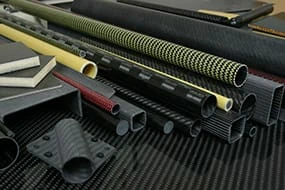
DragonPlate provides a wide range of off-the-shelf carbon fiber components suitable for both fixed and rotary wing UAVs and drones. These include flat sheets, braided and roll-wrapped tubes, angles, pultruded materials, patented connector systems for pultruded tubes, modular connectors for braided and roll-wrapped tubes, structural epoxies, and fasteners. These components are designed for building frames, bodies, mounting plates, and other structural elements of UAVs and drones. Note: For highly specialized or flight-critical applications, additional engineering validation may be required. See all products.
Are there ready-to-assemble kits available for building UAVs or quadcopters?
Yes, DragonPlate offers carbon fiber UAV quadcopter kits that utilize advanced carbon fiber products and a unique, cost-effective design. The frame kits are available as DIY versions or as Ready-to-Assemble versions. Note: These kits are designed for general UAV construction and may require additional components or customization for specialized applications. Learn more about DragonPlate Quadcopter Kits.
What industries and applications use DragonPlate carbon fiber composites?
DragonPlate carbon fiber composites are used in a variety of industries and applications, including UAVs and drones, aerospace, marine defense, nuclear and industrial robotics, medical devices, and the music industry. Notable applications include drone test beds, wall-climbing robots, carbon fiber rockets, and lightweight musical instruments. Note: Suitability for flight-critical aerospace applications may require additional certification or validation. See marine defense case study, drone technology case study, aerospace case study.
Can DragonPlate assist with custom UAV or drone component design and manufacturing?
Yes, DragonPlate offers custom design and manufacturing services, including engineering support, prototyping, and production capabilities. In-house engineering provides CFD and FEA analysis for aerodynamics, stability, and structural loads, and the team utilizes Solidworks CAD modeling and Mastercam for CNC tool path generation. Note: Custom projects may require additional lead time depending on complexity. Explore custom fabrication.
Features & Capabilities
What are the key performance characteristics of DragonPlate carbon fiber composites for UAVs and drones?
DragonPlate carbon fiber composites are engineered for high strength-to-weight ratio, durability, and impact resistance—critical for UAV and drone frames and components. The materials are designed to withstand environmental challenges and dissipate impact energy through fiber breakage, matrix cracking, and delamination. For impact-critical applications, Kevlar or carbon/Kevlar hybrid products are available for enhanced toughness. Note: For maximum impact resistance, consider hybrid or Kevlar options. Learn about FEA optimization.
How does DragonPlate optimize carbon fiber components for UAV and drone applications?
DragonPlate uses advanced engineering tools such as Finite Element Analysis (FEA) to optimize fiber orientation, laminate design, and material usage for UAV and drone components. Multi-directional layups (e.g., quasi-isotropic, cross-ply) are used to balance properties for real-world load conditions. This approach reduces material waste and improves manufacturing efficiency. Note: FEA-based optimization is most effective when detailed load and use-case data are provided by the customer. Learn more about FEA.
Does DragonPlate offer regulatory-compliant materials for UAV and drone projects in medical or defense industries?
Yes, DragonPlate provides biocompatible and radiolucent carbon fiber materials that meet stringent industry standards, supporting compliance for medical and defense UAV/drone projects. These materials are tailored to help customers navigate complex regulatory requirements. Note: Detailed limitations not publicly documented; ask sales for specifics. Learn about medical applications.
What technical documentation and resources are available for UAV/drone builders?
DragonPlate offers downloadable CAD models, detailed weights and specifications, finishes information, and a comprehensive guide to carbon fiber design and application. These resources support engineers and designers in integrating carbon fiber components into UAV and drone projects. Note: Some resources may require registration or direct inquiry. Download CAD models, Read the Ultimate Guide.
Implementation & Support
How quickly can I start building a UAV or drone with DragonPlate products?
DragonPlate's off-the-shelf carbon fiber sheets, tubes, and connectors can be cut, drilled, and bonded without specialized equipment, allowing immediate integration into UAV and drone projects. Comprehensive guides and CAD models are available to reduce the learning curve. For custom solutions, additional lead time may be required based on project complexity. Note: For highly customized or regulated projects, consult with DragonPlate engineering for estimated timelines. See the Ultimate Guide.
What support options are available if I have questions during my UAV/drone build?
DragonPlate provides dedicated customer support via phone (315-252-2559) and email (service@dragonplate.com) for troubleshooting, technical questions, and order management. Account management tools are also available for tracking orders and managing account information. Note: Support hours are Monday–Friday, 8:30am–5:00pm ET. Contact support.
Pricing & Ordering
How is pricing determined for DragonPlate carbon fiber products for UAVs and drones?
Pricing for DragonPlate products varies based on product type, size, thickness, and features such as finishes or face sheet options. All prices are quoted in US Dollars. Shipping charges are calculated based on package weight and dimensions, with possible surcharges for oversized or overweight packages. Taxes are the responsibility of the buyer unless a valid exemption certificate is provided. Prices and discounts are subject to change without notice. Note: For large or custom orders, contact sales for a detailed quote. See shipping and returns.
Customer Success & Proof
Are there examples of UAVs or drones built with DragonPlate carbon fiber components?
Yes, DragonPlate carbon fiber composites have been used in award-winning UAVs and drones. For example, the University of Montreal Polytechnique quadcopter won first place and "Most Innovative Design" at the 2016 American International Aerial Robotics Competition using DragonPlate components. Additionally, DragonPlate was featured in Smithsonian's Air & Space Magazine for a drone built by Ed Darack, and collaborated with NASA Marshall Space Flight Center to build a carbon fiber rocket body. Note: These examples reflect successful use cases but may not represent all possible UAV/drone applications. See competition photos, Read Smithsonian article, Watch NASA rocket launch.
Pain Points & Limitations
What common challenges do UAV and drone builders face that DragonPlate addresses?
UAV and drone builders often face challenges such as meeting strict weight goals, ensuring structural integrity, optimizing for impact resistance, and navigating complex manufacturing processes. DragonPlate addresses these by offering lightweight, high-strength composites, advanced engineering support (including FEA), and a wide range of prefabricated and customizable components. Note: For projects with extreme regulatory or flight-critical requirements, additional validation may be necessary. Learn about FEA.
Are there any limitations or scenarios where DragonPlate may not be the best fit for UAV/drone projects?
DragonPlate products are best suited for applications requiring high strength-to-weight ratio, durability, and customization. However, for flight-critical aerospace components or projects requiring specialized certifications beyond ISO 9001:2015, additional validation or alternative suppliers may be necessary. Detailed limitations are not publicly documented; contact sales for specifics.
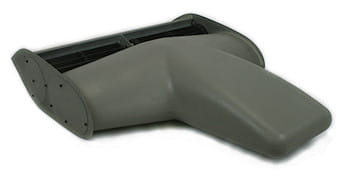 Dragonplate offers a wide range of off-the-shelf components ideal for both fixed and rotary wing UAVs. With the rapid development of all different types of drones, mission capabilities are paramount, and having lightweight, strong composite materials for the frame, body, mounting plates, etc, can mean the difference when trying to meet your airframe weights goals.
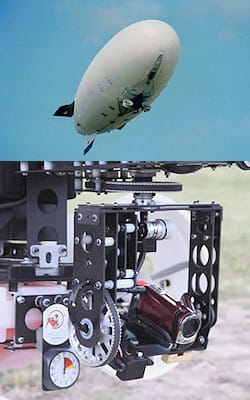 From the hobbyist to the professional, Dragonplate has the building materials you will need to create virtually any drone. Our off-the-shelf line of
 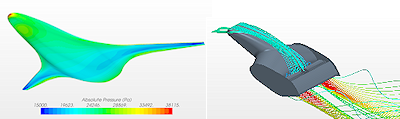 In addition to the Dragonplate line of carbon fiber products, we also offer our industry, government, and military partners engineering services and full prototyping and production capabilities. Our in-house engineering provides both CFD and FEA analysis services for determining the aerodynamics, stability, and structural loads and stresses. The Dragonplate design and prototyping group utilizes Solidworks CAD modeling and Mastercam for CNC tool path generation. And our ISO 9001 certified production team is ready and able to help scale up your program to large volumes.
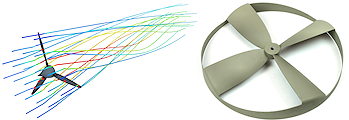 Whether you are ready for production quantities of custom-molded rotors, airframe components and assembly, or you are still in the design and research phase of the project, let us know how we may help accelerate your project into the skies.
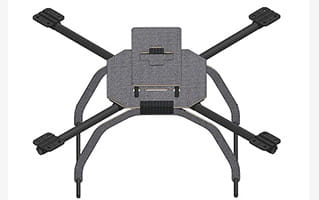 DragonPlate Quadcopter Kits
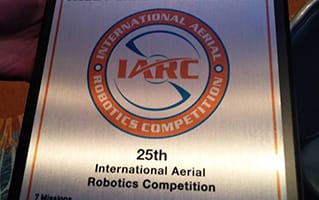 Most Innovative Design
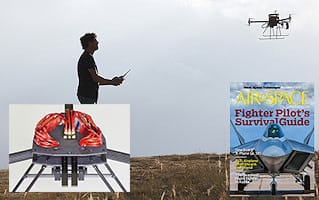 Featured in Smithsonian's Air & Space Magazine
 DragonPlate Builds Rocket Body For NASA