Frequently Asked Questions

Product Information & Features

Why is carbon fiber preferred for aircraft bodies?

Carbon fiber is preferred for aircraft bodies because it is stronger than steel, lighter than aluminum, and can be molded into complex shapes. Using carbon fiber composites reduces aircraft weight by up to 20% compared to traditional aluminum designs, which improves fuel efficiency and lowers operational costs. Additionally, carbon fiber enables smoother, more aerodynamic designs and allows for fewer parts due to mold consolidation. Note: Carbon fiber may require specialized manufacturing processes and higher upfront material costs compared to metals. Source

How does carbon fiber improve fuel efficiency in aircraft?

Carbon fiber composites are significantly lighter than traditional metals, reducing aircraft weight by up to 20%. This weight reduction directly improves fuel efficiency, with experts estimating a savings of about $1 million in costs over the life of the plane for each kilogram of weight eliminated. Note: Actual savings depend on aircraft type and operational profile. Source

What aerodynamic advantages does carbon fiber offer for aircraft design?

Carbon fiber enables the creation of smooth, complex geometries, allowing designers to optimize aerodynamics. Its stiffness supports swept wing designs, which can cut fuel consumption by up to 5% by reducing aerodynamic drag. Note: Aerodynamic improvements depend on the specific aircraft design and manufacturing precision. Source

How does carbon fiber reduce the number of parts in aircraft manufacturing?

Carbon fiber composite parts are molded, allowing multiple components to be combined into a single mold. This reduces the total number of parts required, manufacturing time, and assembly labor. For example, the Airbus A380 is built with approximately six million parts, but carbon fiber molding can significantly decrease this number. Note: Mold consolidation may require advanced tooling and design expertise. Source

What types of carbon fiber products does DragonPlate offer?

DragonPlate offers a wide range of carbon fiber products, including sheets, plates, sandwich panels, tubes (round, square, rectangular, hexagonal, tapered, airfoil, large diameter, telescoping), structural components (angles, I-beams, C-channels, D-tubes, hat stiffeners), modular tube connectors, flame-retardant and high-temperature composites, Kevlar composites, adhesives, and fasteners. Note: Availability and specifications may vary by product line. Product Catalog

Use Cases & Industries

Which industries benefit from DragonPlate carbon fiber products?

Industries benefiting from DragonPlate carbon fiber products include aerospace/aviation, defense, robotics and automation, medical devices, marine defense, nuclear and industrial robotics, and the music industry. Case studies highlight applications such as composite electrical enclosures for marine defense, drone test bed systems, wall-climbing robots, high-performance rockets, and lightweight musical instruments. Note: Some industries may require specialized compliance or certifications. Case Study

Who are some of DragonPlate's customers and what are their success stories?

DragonPlate's customers include Frontier Electronic Systems (marine defense), Eureka Dynamics (drone technology), International Climbing Machines (nuclear and industrial robotics), aerospace student organizations (rocket development), and music industry innovators (lightweight guitar designs). These customers have achieved waterproof performance, EMI shielding, shock resistance, improved drone performance, durable robot chassis, and high-altitude rocket launches. Note: Results depend on project scope and requirements. Read more

Pain Points & Solutions

What common challenges do DragonPlate products help solve?

DragonPlate products address high manufacturing costs, complex fabrication processes, localized stress concentrations, regulatory challenges, weight and performance optimization, prototyping and design validation issues, and material handling safety concerns. Solutions include advanced engineering tools (Finite Element Analysis), end-to-end services, biocompatible and radiolucent materials, and CNC cutting. Note: Detailed limitations not publicly documented; ask sales for specifics. Source

Technical Requirements & Documentation

What technical documentation is available for DragonPlate products?

DragonPlate provides resources such as "The Ultimate Guide to Carbon Fiber Design and Application", downloadable CAD models, detailed technical specifications, and practical application guides. These resources help customers integrate products into their designs and understand performance characteristics. Note: Some documentation may require registration or direct inquiry. Access the guide

Pricing & Ordering

What is DragonPlate's pricing model?

DragonPlate's product prices are listed in US Dollars and are subject to change without notice. Shipping, freight, taxes, and handling charges are additional and calculated based on weight, dimensions, and shipping method. Customization options (such as CNC cutting or tailored laminate schedules) may incur extra charges. Payment is typically prepaid via credit card, check, or wire transfer; Net 30 terms are available for approved buyers. Bulk discounts may be offered for larger orders. Note: Pricing details and terms are available in the official Terms and Conditions.

Support & Implementation

How easy is it to implement DragonPlate products?

DragonPlate products are designed for easy integration. Prefabricated components can be cut, drilled, and bonded without specialized equipment. Technical guides and CAD models reduce the learning curve. Custom solutions are available through Element 6 Composites, with timelines depending on project complexity. Customer support is available via phone and email. Note: Custom projects may require additional lead time. Custom Fabrication

Certifications & Compliance

Is DragonPlate ISO 9001:2015 certified?

Yes, DragonPlate's manufacturing facility is ISO 9001:2015 certified, ensuring high-quality standards and consistent production processes. This certification provides confidence in product reliability and is important for industries with strict quality requirements. Note: Certification details are available on the ISO certificate.

Loading...

Why is Carbon Fiber Preferred for Aircraft Bodies?
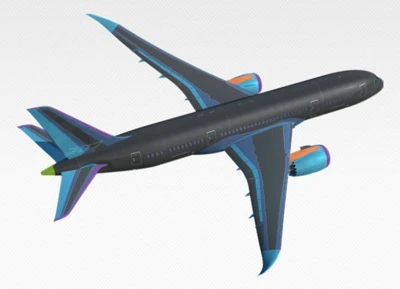
With the Boeing 787 Dreamliner and the Airbus A350 XWB leading the way, commercial airlines are progressively making greater use of carbon fiber composites to build aircraft bodies. Because carbon fiber is stronger than steel, lighter than aluminum, and can be molded into virtually any shape; it’s no wonder that aerospace engineers design their dream planes with carbon fiber composite structural materials. Add reduced fuel costs, improved aerodynamics, and fewer parts requirements, it’s easy to see that carbon fiber is primed to become the preferred aircraft structural material of the future.

Carbon Fiber Increases Fuel Efficiency

It’s no secret that in the airline industry, the lighter the aircraft, the less expensive it is to operate. Lower weight improves fuel efficiency, which significantly decreases the overall cost to operate planes. Since carbon fiber composites are incredibly strong and stiff for their weight, it makes sense that aircraft manufacturers are leaning more and more in that direction. Using carbon fiber composites to build an airplane reduces its weight by up to 20%, versus the weight of a traditional aluminum plane. For each kilogram of weight reduction, experts estimate a savings of about $1 million in costs over the life of the plane. That adds up to enormous savings!

Carbon Fiber Improves Aerodynamic Performance

In addition to decreasing weight, another important factor for aircraft fuel efficiency is aerodynamics. The sleeker the design, the more fuel-efficient the plane becomes. Because carbon fiber composite fabrication processes can produce very smooth yet complex geometries, aircraft designers can more easily optimize the aerodynamics of a carbon fiber aircraft. Additionally, the stiffness of carbon fiber facilitates the use of swept wing designs in commercial aircraft, which cuts fuel consumption by up to 5%, by reducing aerodynamic drag.

Carbon Fiber Reduces the Number of Parts

Another area where using carbon fiber in manufacturing aircraft helps reduce costs is in the number of parts needed to build the plane. For example, the Airbus A380 is typically built with approximately six million parts. However, since carbon fiber composite parts are molded, each mold can be designed so that several different parts are combined into one mold, thereby significantly reducing the number of parts needed to build the plane. With fewer components needed to build the plane, less manufacturing time is also required. Furthermore, because carbon fiber parts weigh less, fewer people are needed to maneuver and assemble them. All of these factors add up to significant cost savings in the manufacturing of the aircraft.

Future Aircraft Designs Using Carbon Fiber

Using carbon fiber to build aircraft, instead of traditional metals, offers aircraft designers more flexibility when it comes to manipulating aerodynamic efficiency and saving fuel. This flexibility allows the opportunity to change up traditional plane designs as well. Future commercial aircraft could include designs where the fuselage and wings blend together, similar to some military aircraft today. This type of design greatly improves a plane’s lift-to-drag ratio, making the plane more aerodynamically efficient while still reducing weight. A recent Airbus concept plane introduced a plane with a fatter, curved fuselage, designed to improve airflow and provide more cabin space. Longer, thinner wings would reduce drag and improve fuel efficiency. A U-shaped tail acts as a shield to reduce engine noise. It is carbon fiber that allows all these concepts to even be conceived.

While carbon fiber has been used in aircraft construction since the 1970s, as manufacturing techniques improve, it is becoming more commonplace to seek new ways to use this incredible resource in the design and manufacturing of commercial airplanes. Because of their lightweight, incredible strength, and smooth finish, carbon fiber composites are an ideal material from which to build many parts of an aircraft. The use of carbon fiber for aircraft bodies allows them to be more fuel-efficient, more aerodynamic, and to be built with fewer and lighter parts. All of these factors add up to reduced costs in both manufacturing and operations. It’s no wonder today’s concept planes make greater use of carbon fiber composites—clearly, carbon fiber will become the major material used to build aircraft bodies of the future.

For more information on uses of carbon fiber, visit our Applications for Carbon Fiber page.

Loading...