Frequently Asked Questions
Product Information & Technical Details
What are composite radar structures, and how does DragonPlate support their development?
Composite radar structures are assemblies used in radar systems that leverage advanced materials like carbon fiber, fiberglass, and Kevlar for improved performance. DragonPlate has over a decade of experience building radar structures for military applications, offering lightweight carbon fiber composites for support structures (such as tubes, plates, and angles) and fiberglass/Kevlar for radomes due to their radar transparency. DragonPlate assists customers from prototyping to full production runs, providing design and fabrication expertise for radar applications. Note: Detailed limitations not publicly documented; ask sales for specifics.
What materials does DragonPlate use for radar structures, and what are their advantages?
DragonPlate uses carbon fiber, fiberglass, and Kevlar in radar structures. Carbon fiber provides high strength-to-weight ratio, electrical and thermal conductivity (with high modulus pitch-based carbon fiber being more thermally conductive than many metals), and durability. Fiberglass and Kevlar are nearly transparent to radar signals, making them ideal for radomes. These materials enable lighter, more portable systems and improved performance compared to traditional metals. Note: Carbon fiber is conductive; for applications requiring electrical insulation, alternative materials may be needed.
How does carbon fiber benefit radar systems compared to traditional metal components?
Carbon fiber offers significant weight reduction, enabling radar systems to be carried by personnel rather than requiring vehicle transport. It also provides high strength, durability, and both electrical and thermal conductivity. High modulus pitch-based carbon fiber can be more thermally conductive than many metals. These benefits improve portability and performance for both ground-based and vehicle/aircraft-mounted radar systems. Note: Carbon fiber's conductivity may not suit all applications; consult technical documentation for compatibility.
What types of carbon fiber components does DragonPlate offer for radar structures?
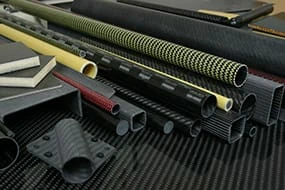
DragonPlate supplies a wide range of carbon fiber components for radar structures, including tubes (round, square, hexagonal, tapered, airfoil), plates, angles, I-beams, C-channels, D-tubes, hat stiffeners, and modular tube connectors. These components are available in various shapes and sizes to meet specific design and performance requirements. Note: For highly specialized geometries, custom fabrication may be required.
Features & Capabilities
What are the key performance characteristics of DragonPlate's composite materials?
DragonPlate's carbon fiber composites feature high strength-to-weight ratio, durability, environmental resistance, and advanced engineering optimization using Finite Element Analysis (FEA). Materials are designed to withstand harsh environments, resist corrosion and wear, and meet regulatory standards such as biocompatibility and radiolucency for medical applications. Note: Detailed performance metrics for radar-specific applications may require consultation with technical support.
Does DragonPlate offer custom fabrication and engineering services for radar structures?
Yes, DragonPlate provides custom design, engineering, and prototyping services through its Element6 Composites division. Customers can request tailored solutions, including custom laminate schedules, CNC cutting, and specific ply orientations to meet unique project requirements. The company supports both prototype and high-volume production, backed by ISO 9001:2015-certified manufacturing. Note: Custom projects may require additional lead time depending on complexity.
What technical documentation and resources are available for DragonPlate products?
DragonPlate offers several technical resources, including "The Ultimate Guide to Carbon Fiber Design and Application," downloadable CAD models, detailed technical specifications, and practical application guides. These resources help customers understand product capabilities and integrate them into their designs. Access guides and CAD models at element6composites.com and dragonplate.com. Note: Some documentation may require registration or direct inquiry.
Use Cases & Industries
Which industries commonly use DragonPlate composite radar structures?
DragonPlate composite radar structures are used in military, aerospace, defense, robotics, and industrial automation sectors. The materials are chosen for their lightweight, durable, and radar-transparent properties, supporting applications ranging from portable ground-based radar to vehicle and aircraft-mounted systems. Note: For highly specialized industry requirements, consult DragonPlate for compatibility and compliance.
Can you share examples of customer success stories involving DragonPlate radar structures?
DragonPlate has supported military radar applications for over a decade, assisting customers with design and fabrication of composite structures. While specific radar case studies are not publicly documented, DragonPlate's expertise is demonstrated in related industries such as marine defense (Frontier Electronic Systems), drone technology (Eureka Dynamics), and nuclear/industrial robotics (International Climbing Machines). For more details, see custom enclosures case study and drone industry case study. Note: Radar-specific customer stories may require direct inquiry.
Pain Points & Solutions
What common challenges do customers face when designing radar structures, and how does DragonPlate address them?
Customers often face challenges such as high manufacturing costs, complex fabrication processes, weight and performance optimization, and regulatory compliance. DragonPlate addresses these by optimizing material usage with FEA, offering end-to-end services (design, prototyping, manufacturing), and providing materials that meet industry standards. Prefabricated components and custom solutions reduce complexity and lead times. Note: For projects with highly specialized compliance needs, additional consultation may be required.
Pricing & Ordering
How is pricing determined for DragonPlate composite radar structures and components?
Pricing for DragonPlate products is listed on the website in US Dollars and is subject to change without notice. Additional costs such as shipping, freight, taxes, and handling are calculated based on weight, dimensions, and shipping method. Customization options (e.g., CNC cutting, tailored laminate schedules) may incur extra charges. Payment is typically prepaid via credit card, check, or wire transfer; approved buyers may receive Net 30 terms. Bulk discounts are available for larger orders. For details, see Terms and Conditions. Note: Pricing for custom radar structures may vary based on project complexity.
Support & Implementation
How long does it take to implement DragonPlate composite radar structures, and how easy is it to start?
DragonPlate offers ready-to-use prefabricated components that can be integrated quickly into projects without specialized equipment. Comprehensive technical documentation and CAD models reduce the learning curve. For custom solutions, the Element6 Composites division provides design and prototyping services, with timelines dependent on project complexity. Customers can start by submitting concept sketches or requirements. Responsive support is available via phone (315-252-2559) or email (service@dragonplate.com). Note: Custom projects may require additional lead time.
Certifications & Compliance
Is DragonPlate ISO 9001:2015 certified?
Yes, DragonPlate's manufacturing facility is ISO 9001:2015 certified, ensuring high-quality standards and consistent reliability in production. This certification provides assurance for customers in regulated industries such as defense and aerospace. Note: Certification details are available at ISO certification PDF.
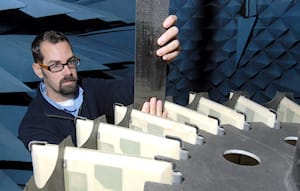
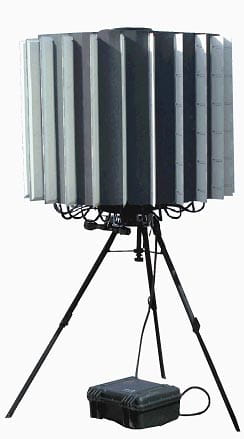 Dragonplate has been building radar structures for military applications for over a decade. The advantage of carbon fiber, fiberglass, and Kevlar in such a unit is obvious when one considers the challenges moving equipment to remote locations. Lightweight carbon fiber composites can mean the difference between something that is carried and a system that must be moved by vehicle. And even vehicle and aircraft mounted radar systems benefit greatly from reduced weight.
 Different composite materials offer specific advantages over traditional metal components. Carbon fiber can be used for support structures (for example,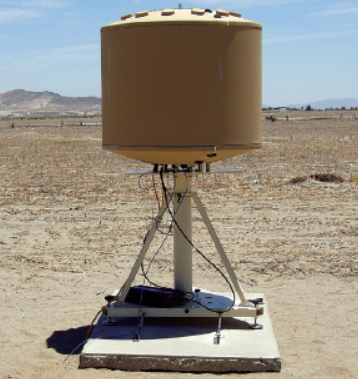
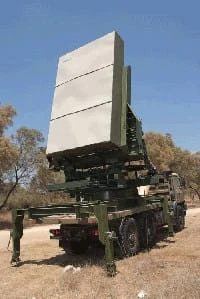 Whether you are looking at prototyping and small volume production, or larger production runs of components and even full radar systems, Dragonplate has extensive experience helping customers design and fabricate composite structures for radar applications.