Frequently Asked Questions
Product Features & Capabilities
What are the main benefits of using DragonPlate carbon fiber in industrial automation and robotics?
DragonPlate carbon fiber components offer significant weight reduction (typically 50%-75% compared to metal), increased stiffness, and improved vibration damping. These benefits translate to faster production line speeds, higher precision, reduced motor and actuator loads, and improved reliability. For example, one customer achieved a $1 million annual savings by switching to a custom carbon fiber robotic arm. Note: For applications requiring extremely high impact resistance or exposure to chemicals incompatible with carbon fiber, alternative materials may be necessary.
Which DragonPlate products are commonly used in robotics and automation applications?
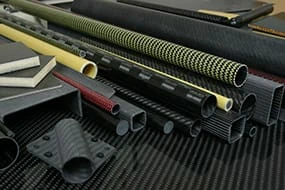
Commonly used DragonPlate products in robotics and automation include flat carbon fiber sheets, angles, hat stiffeners, c-channels, rectangular tubes, and modular tube connector systems. These components enable the design of lightweight end effectors and frames that can be integrated into existing manufacturing lines with minimal changes. Note: Not all products are suitable for every application; consult technical documentation or contact support for guidance on material selection.
How does DragonPlate's modular tube connector system benefit automation designers?
The modular tube connector system allows for the creation of customizable, lightweight, and rigid structures using carbon fiber tubes. Designers can easily assemble and disassemble frames, trusses, and end effectors, enabling rapid prototyping and reconfiguration. This system is especially useful for applications requiring frequent changes or transport. Note: The modular system may not be suitable for applications requiring permanent, high-load joints; custom solutions may be needed.
Does DragonPlate offer high-temperature carbon fiber solutions for automation?
Yes, DragonPlate offers high-temperature carbon fiber materials that can withstand continuous exposure to temperatures between 250°F and 500°F. These materials can survive direct exposure to a propane torch for 30 to 60 seconds with only minor reduction in stiffness, making them suitable for high-temperature automation environments. Note: For applications exceeding these temperature ranges or involving aggressive chemical exposure, consult with DragonPlate for alternative solutions.
What engineering tools and services does DragonPlate provide for custom automation projects?
DragonPlate provides in-house finite element analysis (FEA), CAD design, and tool making services to help customers develop highly specialized robotics and automation components. The company also offers custom fabrication, prototyping, and manufacturing services, including bladder-molded high modulus prepreg parts for complex geometries. Note: Custom projects may require additional lead time depending on complexity; contact DragonPlate for project-specific estimates.
Use Cases & Customer Success
What real-world results have customers achieved using DragonPlate carbon fiber in automation?
Customers have reported substantial improvements, such as reducing end effector weight from 40 pounds to 15 pounds, which decreases vibration and wear on bearings and motors. In one documented case, a customer saved $1 million annually by implementing a custom carbon fiber robotic arm. Note: Results vary by application and depend on proper design and integration; not all projects will achieve the same level of savings.
Which industries use DragonPlate carbon fiber for automation and robotics?
Industries using DragonPlate carbon fiber for automation and robotics include consumer products, semiconductor, beverage, injection molding, aerospace, automotive, marine defense, drone technology, nuclear and industrial robotics, and the music industry. These sectors benefit from weight reduction, increased speed, and improved reliability in their automated systems. Note: Some highly regulated industries may require additional compliance documentation; contact DragonPlate for details.
Can you share specific case studies of DragonPlate in automation and robotics?
Yes. Notable case studies include: a marine defense company (Frontier Electronic Systems) using DragonPlate for composite electrical enclosures; Eureka Dynamics improving drone test bed systems; International Climbing Machines developing composite chassis for wall-climbing robots; and a customer in injection molding saving $1 million annually with a custom carbon fiber robotic arm. Read more. Note: Case study outcomes are specific to each project and may not be typical for all users.
Pain Points & Problem Solving
What common challenges in automation and robotics does DragonPlate help solve?
DragonPlate addresses high manufacturing costs, complex fabrication processes, localized stress concentrations, regulatory compliance, and the need for weight and performance optimization. The company uses advanced simulation tools, custom fabrication, and end-to-end services to help customers achieve their goals. Note: Some challenges, such as extreme impact or chemical resistance, may require alternative materials or additional engineering.
How does DragonPlate help reduce manufacturing costs in automation projects?
DragonPlate uses finite element analysis (FEA) and optimized material usage to reduce waste, labor, and cycle times. For example, a 0.1 second reduction in cycle time for injection molding can save $300,000 or more annually. Prefabricated components and modular systems also streamline integration and reduce the need for custom tooling. Note: Actual cost savings depend on project specifics and may not be realized in all cases.
Implementation & Technical Requirements
How easy is it to integrate DragonPlate carbon fiber products into existing automation systems?
DragonPlate products are designed for ease of integration. Components such as sheets, tubes, and connectors can be cut, drilled, and bonded using standard tools, allowing for quick retrofitting into existing lines. Modular connector systems further simplify assembly and reconfiguration. Note: For highly specialized or regulated environments, additional engineering or compliance steps may be required.
What technical documentation and resources are available for DragonPlate products?
DragonPlate provides a comprehensive technical guide (The Ultimate Guide to Carbon Fiber Design and Application), downloadable CAD models (CAD models), detailed technical specifications (Technical Specs), and practical application resources (Practical Applications). Note: Some resources may require registration or direct inquiry for access to advanced data.
Pricing & Purchasing
How is DragonPlate pricing determined for automation and robotics components?
DragonPlate lists base prices for products on its website in US Dollars, excluding shipping, taxes, and handling. Customization, such as CNC cutting or tailored laminate schedules, may incur additional charges. Bulk discounts are available for larger orders. Payment is typically prepaid, with Net 30 terms for approved buyers. Note: Prices are subject to change without notice; always confirm current pricing before ordering. See Terms and Conditions.
Quality, Compliance & Support
What quality and compliance standards does DragonPlate meet?
DragonPlate operates an ISO 9001:2015-certified facility, ensuring high-quality manufacturing standards. Materials are designed to meet industry-specific requirements, including biocompatibility and radiolucency for medical applications. Note: For projects requiring additional certifications or documentation, contact DragonPlate to confirm compliance capabilities.
How can I get support or discuss a custom automation project with DragonPlate?
You can contact DragonPlate via their contact form, by phone at 315-252-2559, or by email at service@dragonplate.com. For custom projects, the Element6 Composites division provides tailored design, prototyping, and manufacturing services. Note: Response times may vary during peak periods; for urgent needs, call directly.
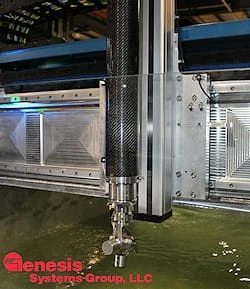 Facilities incorporating industrial automation into their manufacturing processes continually strive to improve efficiency through increased speed and greater precision. Often the most direct means to achieve these goals is reduced weight and increased stiffness of the robotics, and in particular the end effectors. Lightweight end effectors translate directly to increased speed on the production line, higher precision, reduced motor and actuator loads, and improved reliability. For many application, such as injection molding, a 0.1 second reduction in cycle time translates into a yearly savings of $300,000 or more. One of our customers actually saved $1 million a year with a custom carbon fiber robotic arm solution we helped them develop.
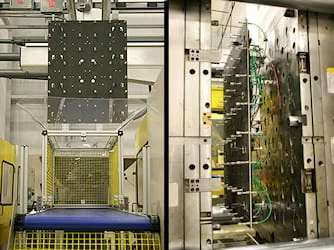 DragonPlate works with companies in the consumer products, semiconductor, beverage, injection molding, aerospace, and automotive industries, as well as many others that utilize robotics in their manufacturing or inspection processes. In addition, we work with companies that specialize in the design and fabrication of automated systems to replace their obsolete metal end effectors with lightweight carbon fiber composites, with typical weight reductions of 50%-75%.
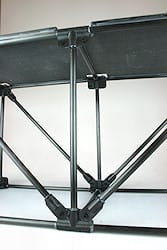 Many carbon fiber options are available to robotics and automation designers. Using basic structural materials (
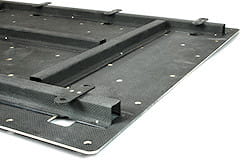 By utilizing our DragonPlate tube connector systems, a myriad of additional options are available. For example,
 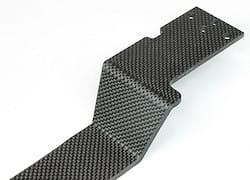 Leveraging in-house finite element analysis, CAD design, and tool making, DragonPlate regularly works with customers to produce highly specialized robotics and automation end effectors. We specialize in custom components and assemblies, bladder molded high modulus prepreg parts for complex geometries and lowest weight, and the utilization of a wide variety of ancillary materials to complement the carbon fiber, such as Kevlar.