Frequently Asked Questions

Epoxy Resin Fundamentals

What are epoxy resins and how are they used in composite materials?

Epoxy resins are a family of monomeric or oligomeric materials that, when cured, form thermoset polymers with high chemical and solvent resistance, strong adhesion to various substrates, low shrinkage, impact resistance, flexibility, and good electrical properties. They are widely used as the matrix in composite materials such as fiberglass and carbon fiber, providing the adhesive and structural backbone that holds reinforcing fibers together. Note: Epoxy resins must be properly selected and cured for the intended application to achieve these properties. Source

What are the main characteristics of epoxy resins?

Epoxy resins are known for their resistance to chemicals (especially alkaline environments), heat resistance, strong adhesion to a variety of substrates, high tensile, compression, and bend strengths, low shrinkage during curing, high electrical insulation, corrosion resistance, ability to cure under a wide range of temperatures, and resistance to fatigue. Note: Not all epoxy resins exhibit all these properties equally; selection should be based on application needs. Source

Applications & Use Cases

What are common applications for epoxy resins?

Epoxy resins are used in a wide variety of applications, including construction (laminated wood, walls, roofs, flooring), paints and coatings (industrial, automotive, marine), industrial tooling and composites (molds, laminates, castings), turbine technology (wind turbine blades), electrical systems and electronics (motors, transformers, printed wiring boards), consumer and marine repairs, aerospace (structural adhesives reinforced with fibers), biology (embedding microscope samples), and art (pigmented coatings, jewelry, decoupage). Note: Suitability depends on the specific epoxy formulation and curing process. Source

How do I select the right epoxy resin for my application?

When selecting an epoxy resin, consider the intended use (general-purpose or industrial), work-life (how long you need to work with the resin before it sets), cure time (time to reach full strength), and the operating temperature of the part. It is important to verify that the selected epoxy is tested for the required temperature extremes and application conditions. For guidance, consult the DragonPlate Adhesive Selection Guide. Note: Working with a reputable supplier can help ensure the correct resin is chosen for your needs. Source

DragonPlate Epoxy & Composite Solutions

What epoxy and adhesive products does DragonPlate offer?

DragonPlate offers a range of adhesives and applicators suitable for bonding carbon fiber and composite materials, including LOCTITE/Hysol adhesives, 3M adhesives, Hardman adhesives, and epoxy bond line control kits. These products are designed for structural bonding and assembly of composite parts. Note: Not all adhesives are suitable for every substrate or application; review technical data sheets before use. Product List

How do DragonPlate's epoxy resins and adhesives support high-performance composite applications?

DragonPlate's epoxy resins and adhesives are engineered for high strength-to-weight ratio, durability, and environmental resistance. They are used in aerospace, robotics, medical devices, and industrial applications where weight reduction and structural integrity are critical. DragonPlate also offers custom laminate schedules and CNC cutting for tailored solutions. Note: For applications requiring biocompatibility or radiolucency, verify the specific resin's compliance with industry standards. Customization Info

Technical Documentation & Support

Where can I find technical documentation and adhesive selection guides for DragonPlate products?

Technical documentation, including The Ultimate Guide to Carbon Fiber Design and Application, downloadable CAD models, and detailed technical specifications, is available on the DragonPlate website. For adhesive selection, refer to the Adhesive Selection Guide. Note: Some resources may require registration or direct inquiry for access. Technical Specs

How can I get support for selecting or using epoxy resins with DragonPlate composites?

DragonPlate provides customer support via phone at 315-252-2559 and email at service@dragonplate.com. The team can assist with adhesive selection, technical questions, and integration of epoxy resins with composite materials. Note: For highly specialized or regulated applications, consult with DragonPlate engineers for project-specific recommendations. Contact Page

Pricing & Ordering

How is pricing determined for DragonPlate epoxy resins and adhesives?

Pricing for DragonPlate adhesives and epoxy resins is listed on the website in US Dollars and is subject to change without notice. Additional costs such as shipping, taxes, and handling are calculated based on order details. Customization or bulk orders may affect pricing. Payment is typically prepaid, with Net 30 terms available for approved buyers. Note: For the latest pricing and terms, consult the official terms and conditions.

Limitations & Considerations

What are the limitations or considerations when using epoxy resins with DragonPlate composites?

While epoxy resins offer high performance, their effectiveness depends on proper selection, mixing, and curing for the intended application. Not all epoxies are suitable for every substrate, temperature, or regulatory requirement. For example, some applications may require biocompatibility or flame retardance, which not all resins provide. Detailed limitations are not publicly documented; contact DragonPlate for project-specific guidance. Contact Page

Loading...

An Overview of Epoxy Resins
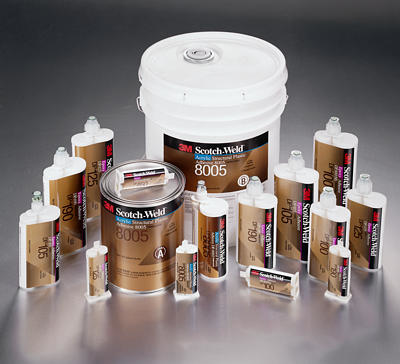
Scientifically speaking, epoxy resins are defined as “a family of monomeric or oligomeric materials that can be further reacted to form thermoset polymers possessing a high degree of chemical and solvent resistance, outstanding adhesion to a broad range of substrates, a low order of shrinkage on cure, impact resistance, flexibility, and good electrical properties.” When selecting an epoxy resin, the resin, modifiers, and cross-linking agent can be custom-selected to create specific characteristics for a particular application. This allows epoxy resins to be used in a wide variety of applications.

Epoxy Resin Characteristics

Epoxy resins are known for high performance. They are the building blocks for adhesives, coatings, reinforced plastics, and composite materials such as fiberglass and carbon fiber, which remain intact under intense conditions. When properly cured, epoxy resins offer a number of desirable characteristics, including:

  • Resistance to chemicals, particularly alkaline environments
  • Heat resistance
  • Adhesion to a variety of substrates
  • High tensile, compression, and bend strengths
  • Low shrinkage during curing
  • High electrical insulation and retention properties
  • Corrosion resistance
  • Cures under a wide range of temperatures
  • Resistance to fatigue

Epoxy Resin Applications

Typically when the terms “structural adhesive” or “engineering adhesive” are used, they are referencing epoxies. Epoxy resins stick to wood, concrete, metal, glass, stone, and most plastics; making them incredibly versatile. Just a few of the many useful epoxy resin applications include:

  • Construction: Laminated wood, walls, roofs, flooring, and more.
  • Paints and coatings: Outdoor coatings, sealers, heavy-duty protective coatings, industrial and automotive paints, primers, and sealers.
  • Industrial tooling and composites: Molds, master models, laminates, castings, fixtures, and other industrial production aids, as well as carbon-fiber-reinforced and composite parts.
  • Turbine technology: Wind turbine blades.
  • Electrical systems and electronics: Motors, generators, transformers, gear switches, bushings, insulators, printed wiring boards (PWBs), potting, and semiconductor encapsulants.
  • Consumer and marine: You can pick up epoxies in most hardware and marine stores in packs that facilitate the mixing of resin and hardener before use. These kits are useful in many home and boat repair applications.
  • Aerospace: In the aerospace industry, among others, epoxy is used as a structural glue that is reinforced with glass, Kevlar, boron, or carbon fiber. This option is particularly used in the aerospace industry because of epoxy resin’s high-performance mechanical properties and resistance to environmental deterioration.
  • Biology: Durcopan is a water-soluble epoxy used for embedding electron microscope samples in plastic for sectioning and imaging.
  • Art: Epoxy resin can be mixed with pigment for painting, used to make jewelry, or used in decoupage applications for artwork, tables, and countertops.

Selecting Epoxy Resins

When selecting epoxy resins, there are a number of factors to take into consideration, including:

  • Use: Will the epoxy be used for a general-purpose or a more industrial application?
  • Work-life: How long will you need to work with the epoxy before it sets up?
  • Cure time: How long will it take the epoxy to cure and be full-strength before the product can be used?
  • Temperature: At what temperature will the part operate at? Is the selected epoxy resin tested to handle temperature extremes if that characteristic is needed?

Working with a reputable retailer will help you determine these factors and others to ensure you select the proper epoxy resin to use for your job.

Since epoxy resins perform well under extreme conditions, when they are combined with carbon or other fibers, they produce composite materials with the properties that are beneficial in many applications. Their unique, high-performance characteristics make them well-suited to work in many environments that offer extreme conditions. The resin, modifier, and cross-linking agent can be switched up to create a custom epoxy that performs under very specific conditions. These properties make epoxy resins the material of choice for a wide variety of applications and conditions.

Loading...