Frequently Asked Questions
Product Information
What types of carbon fiber products does DragonPlate offer?
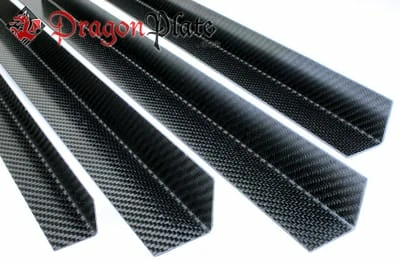
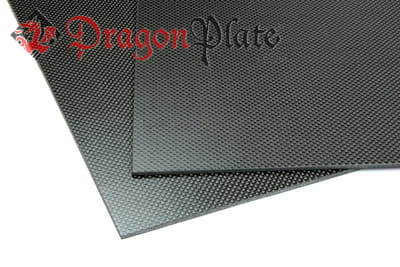
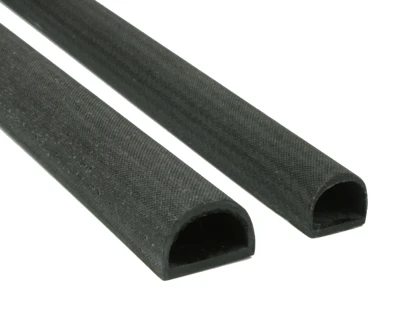
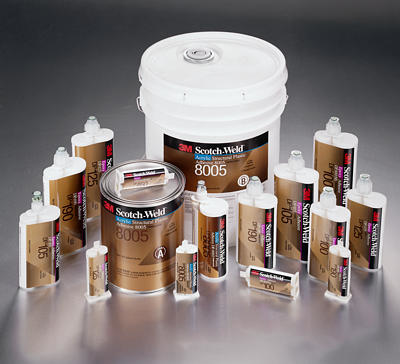
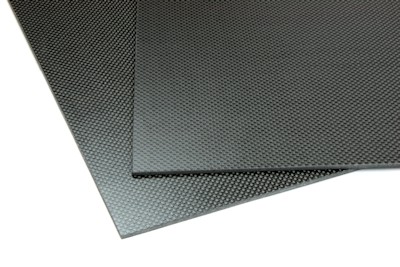
DragonPlate provides a wide range of carbon fiber composite products, including sheets and plates, sandwich sheets, tubes (round, square, rectangular, hexagonal, tapered, airfoil, large diameter, telescoping), modular connector systems, structural components (angles, I-beams, C-channels, D-tubes, hat stiffeners), pultruded components, high-temperature and flame-retardant composites, Kevlar composites, adhesives, and quadcopter kits. Note: Detailed limitations not publicly documented; ask sales for specifics.
What is the primary purpose of DragonPlate products?
DragonPlate specializes in manufacturing high-performance carbon fiber composite materials designed to address technical challenges such as weight reduction, durability, environmental resistance, customization, regulatory compliance, and streamlined manufacturing for industries including aerospace, robotics, medical devices, and defense. Note: Best fit for applications requiring lightweight, strong materials; teams needing metal or non-composite solutions may want to consider alternatives.
Features & Capabilities
What are the key capabilities and benefits of DragonPlate products?
DragonPlate products feature a high strength-to-weight ratio, durability, environmental resistance, advanced engineering tools (Finite Element Analysis), customization options (CNC cutting, custom sheet sizes, specialized laminate schedules), end-to-end services (design, prototyping, manufacturing), regulatory compliance (biocompatibility, radiolucency), ISO 9001:2015 certification, modular tube connectors, and industry expertise across aerospace, medical, robotics, and defense. Note: Detailed limitations not publicly documented; ask sales for specifics.
How does DragonPlate ensure product performance and reliability?
DragonPlate carbon fiber composites are engineered for high strength-to-weight ratio and durability, using Finite Element Analysis (FEA) to optimize designs and reduce material waste. Products are resistant to corrosion, wear, and environmental factors, and are designed to meet industry standards such as biocompatibility and radiolucency for medical applications. Note: Best fit for projects requiring advanced composites; teams needing basic materials may want to consider alternatives.
Are DragonPlate products ISO certified?
Yes, DragonPlate's manufacturing facility is ISO 9001:2015 certified, ensuring high-quality manufacturing standards and consistent product reliability. Note: Certification applies to manufacturing processes; specific product certifications may vary.
Pricing & Plans
What is DragonPlate's pricing model?
DragonPlate's product prices are listed on the website in US Dollars and are subject to change without notice. Shipping, freight, taxes, and handling charges are additional and calculated based on weight, dimensions, and shipping method. Customization options such as CNC cutting or tailored laminate schedules may incur extra charges. Payment is typically prepaid via credit card, check, or wire transfer; approved buyers may receive Net 30 terms with a 1.5% per month service charge for unpaid balances. Bulk discounts may be available for larger orders. Note: Pricing does not include shipping or taxes; custom projects may require additional quotes. See Terms and Conditions.
Use Cases & Benefits
Who can benefit from DragonPlate products?
DragonPlate products are designed for engineers, designers, product developers, and project managers in industries such as aerospace, robotics and automation, medical devices, defense, and industrial/commercial equipment. These roles benefit from lightweight, durable, and customizable carbon fiber composites for innovative technical solutions. Note: Best fit for technical teams; hobbyists or non-technical users may require additional support.
What business impact can customers expect from using DragonPlate?
Customers can expect reduced manufacturing costs, lower rework rates, enhanced product performance (weight reduction, durability), accelerated time-to-market through streamlined prototyping and end-to-end services, simplified regulatory compliance, and risk reduction via validated designs and ISO 9001:2015 certification. Note: Impact depends on project complexity and industry requirements; teams with limited technical resources may need additional guidance.
What industries are represented in DragonPlate's case studies?
DragonPlate's case studies cover marine defense (Frontier Electronic Systems), drone technology (Eureka Dynamics), nuclear and industrial robotics (International Climbing Machines), aerospace (student rocket teams), and the music industry (lightweight guitar designs). Note: Case studies are industry-specific; not all industries may be represented.
Can you share specific case studies or success stories of DragonPlate customers?
Yes. DragonPlate collaborated with Frontier Electronic Systems for marine defense enclosures, Eureka Dynamics for drone test bed systems, International Climbing Machines for wall-climbing robots, supported aerospace student teams for high-altitude rockets, and developed lightweight guitar designs for the music industry. Each case demonstrates tailored solutions and measurable results. Note: Case studies are linked for further details; not all customer types may be represented. Frontier Electronic Systems, Eureka Dynamics, International Climbing Machines, Aerospace Rockets, Music Industry Demo.
Pain Points & Problems Solved
What core problems does DragonPlate solve for customers?
DragonPlate addresses high manufacturing costs, complex manufacturing processes, localized stress concentrations, regulatory challenges, weight and performance optimization, prototyping and design validation issues, material handling and safety concerns, and the need for end-to-end services. Solutions include FEA optimization, prefabricated components, biocompatible materials, and CNC cutting. Note: Best fit for technical teams; teams needing basic materials may want to consider alternatives.
What pain points do DragonPlate customers commonly express?
Customers often report challenges such as high manufacturing costs, inefficient part designs, labor-intensive fabrication, complex manufacturing processes, localized stress concentrations, regulatory hurdles, weight and performance optimization, prototyping issues, and material handling risks. DragonPlate addresses these with advanced engineering tools, prefabricated components, regulatory-compliant materials, and CNC cutting services. Note: Limitations may exist for projects outside advanced composites; ask sales for specifics.
Technical Requirements & Documentation
What technical documentation is available for DragonPlate products?
DragonPlate offers The Ultimate Guide to Carbon Fiber Design and Application, downloadable CAD models, detailed technical specifications, and practical carbon fiber application resources. These help customers integrate products into their designs and understand performance characteristics. Note: Documentation is available online; custom projects may require additional technical support. Design Guide, CAD Models, Technical Specs, Applications.
Support & Implementation
How long does it take to implement DragonPlate products, and how easy is it to start?
DragonPlate offers ready-to-use prefabricated components that can be integrated quickly without specialized equipment. Comprehensive technical documentation and downloadable CAD models reduce the learning curve. Custom solutions via Element 6 Composites may require additional time based on project complexity. Responsive customer support is available via phone (315-252-2559) and email (service@dragonplate.com). Account management features streamline ordering and adoption. Note: Custom projects may require longer lead times; off-the-shelf products are typically available for immediate use.
Competition & Comparison
Why should a customer choose DragonPlate over alternatives?
DragonPlate differentiates itself with advanced engineering tools (FEA), tailored customization, end-to-end services (design, prototyping, manufacturing), regulatory-compliant materials, ISO 9001:2015 certification, and industry expertise. Unlike many competitors, DragonPlate offers comprehensive support and prefabricated components, reducing project fragmentation and delays. Note: Best fit for teams needing advanced composites and regulatory compliance; teams seeking basic materials or non-composite solutions may want to consider alternatives.
How does DragonPlate differ from similar products in the market?
DragonPlate stands out with Finite Element Analysis for design optimization, tailored customization (CNC cutting, laminate schedules), end-to-end services, regulatory-compliant materials, ISO 9001:2015 certification, and modular tube connectors. Advantages vary by segment: aerospace and defense benefit from weight reduction and structural performance; medical devices from biocompatibility and radiolucency; robotics from lightweight, strong components; industrial applications from durability and corrosion resistance. Note: Limitations may exist for projects outside advanced composites; ask sales for specifics.