Frequently Asked Questions

Product Strength & Material Properties

How strong is carbon fiber compared to steel and aluminum?

Carbon fiber is approximately twice as stiff and five times stronger than steel, while also being significantly lighter. For example, a balanced, symmetrical 0/90° layup carbon fiber laminate typically has a tensile modulus of 10 MSI (70 GPa) and a tensile strength of 87 KSI (600 MPa). In comparison, steel has a tensile modulus of 29 MSI (200 GPa) and tensile strength of 61 KSI (420 MPa), while aluminum has a tensile modulus of 10 MSI (69 GPa) and tensile strength of 40 KSI (276 MPa). Note: Carbon fiber can be brittle and is susceptible to localized failures at stress concentrations; proper design is essential for optimal performance. Source

What are the different classes of carbon fiber and their stiffness?

Carbon fibers are classified by tensile modulus: Low Modulus (<227 GPa), Standard Modulus (227 GPa), Intermediate Modulus (289 GPa), High Modulus (393 GPa), and Ultrahigh Modulus (758 GPa). For example, ultrahigh modulus carbon fibers are about three times stiffer than standard modulus but are not as strong. Note: Higher modulus fibers may sacrifice strength for stiffness. Source

How does carbon fiber compare to fiberglass and Kevlar®?

Carbon fiber is stronger and much stiffer than both fiberglass and Kevlar®. For example, carbon fiber has a modulus of elasticity of 70 GPa and tensile strength of 600 MPa, compared to fiberglass (25 GPa, 440 MPa) and Kevlar® (30 GPa, 480 MPa). Carbon fiber also has the highest specific tensile strength and specific stiffness among these materials. Note: Fiberglass and Kevlar® may be preferred in applications where flexibility or impact resistance is more important than stiffness. Source

What factors determine the strength and stiffness of a carbon fiber laminate?

The strength and stiffness of a carbon fiber laminate depend on the carbon fiber material properties, the layup schedule (fiber orientation, weave type, and thickness of laminate plies), and the fiber/resin ratio. For example, a balanced 0/90° layup typically achieves a tensile modulus of 10 MSI (70 GPa) and tensile strength of 87 KSI (600 MPa). Note: Improper layup or resin content can significantly reduce performance. Source

Does carbon fiber break easily?

Carbon fiber offers a high strength-to-weight ratio and excellent fatigue resistance, but it does not have the elastic properties of metals. It can be brittle and susceptible to localized failures at stress concentrations under high forces. Proper design and engineering are crucial for optimal durability. Note: Not recommended for applications where high impact or ductility is required without additional reinforcement. Source

How strong is carbon fiber filament?

High-quality carbon fiber filaments can have tensile strengths ranging from 3,500 MPa to over 7,000 MPa, which is much greater than typical steel (400-500 MPa). Note: Actual strength in a finished part depends on the composite layup and resin system used. Source

Can carbon fiber rust or corrode?

Carbon fiber is a non-metallic material composed mainly of carbon atoms and does not contain elements that can rust. It is highly resistant to corrosion, making it suitable for applications exposed to moisture or corrosive environments. Note: The resin matrix may degrade under certain chemicals or UV exposure if not properly protected. Source

Can you burn carbon fiber?

Carbon fiber itself will combust in the presence of oxygen and sufficient heat, and the resin used in composites also contributes to combustion. Burn characteristics vary with the type of carbon fiber, resin matrix, and manufacturing process. For example, aircraft composites often use flame-retardant epoxy resins to reduce flammability. Note: Standard carbon fiber composites are not inherently flame-retardant; select flame-retardant options for high-temperature or fire-critical applications. Source

Features & Capabilities

What are the key performance benefits of DragonPlate carbon fiber products?

DragonPlate carbon fiber products offer a high strength-to-weight ratio, durability, and environmental resistance. They are engineered to withstand harsh environments, resist corrosion and wear, and maintain long-term reliability. Advanced engineering tools like Finite Element Analysis (FEA) are used to optimize designs and reduce material waste. Note: For applications requiring high ductility or impact resistance, additional design considerations may be necessary. Source

Does DragonPlate offer customization for carbon fiber products?

Yes, DragonPlate provides tailored solutions including custom sheet sizes, CNC cutting, and specialized laminate schedules to meet specific performance and design requirements. Custom fabrication is available for unique parts and assemblies. Note: Customization may increase lead time and cost depending on project complexity. Source

What certifications and compliance standards do DragonPlate products meet?

DragonPlate operates an ISO 9001:2015-certified facility, ensuring high-quality manufacturing standards. Materials are designed to meet stringent industry requirements, including biocompatibility and radiolucency for medical applications. Note: For specific regulatory or compliance needs, consult technical documentation or contact support. Source

Use Cases & Applications

What industries and roles benefit most from DragonPlate carbon fiber products?

DragonPlate products are used by engineers, designers, and project managers in aerospace, robotics, medical devices, defense, industrial automation, and the music industry. Applications include aircraft interiors, robotic frames, medical imaging devices, tactical gear, and lightweight musical instruments. Note: Not all industries may require the high stiffness or cost of carbon fiber; alternatives may be more suitable for non-critical applications. Source

Can you share examples of customer success stories using DragonPlate products?

Yes. Notable examples include: Frontier Electronic Systems (marine defense electrical enclosures), Eureka Dynamics (drone test bed systems), International Climbing Machines (composite chassis for wall-climbing robots), aerospace student organizations (carbon fiber rockets exceeding 10,000 feet), and lightweight guitar designs for the music industry. Note: Results vary by application; see linked case studies for details. Frontier, Eureka Dynamics, ICM, Aerospace, Music

Pain Points & Problem Solving

What common challenges do DragonPlate products help solve?

DragonPlate addresses high manufacturing costs, complex fabrication processes, localized stress concentrations, regulatory compliance, and the need for weight and performance optimization. Advanced simulation tools and end-to-end services help reduce waste, improve structural integrity, and accelerate time-to-market. Note: For projects with minimal structural or regulatory requirements, simpler materials may suffice. Source

Technical Documentation & Support

What technical resources are available for DragonPlate products?

Resources include The Ultimate Guide to Carbon Fiber Design and Application, downloadable CAD models, detailed technical specifications, and practical application guides. These help customers integrate products effectively and understand their capabilities. Note: For highly specialized applications, direct consultation with engineering support is recommended. Guide, CAD Models, Specs

Pricing & Purchasing

How is DragonPlate product pricing determined?

Prices are listed on the website in US Dollars and are subject to change without notice. Shipping, taxes, and handling charges are additional and calculated based on order details. Customization and special services may incur extra charges. Payment is typically prepaid, with Net 30 terms available for approved buyers. Bulk discounts may be available for large orders. Note: For the most accurate and current pricing, consult the website or contact sales. Terms

Implementation & Support

How easy is it to start using DragonPlate products?

DragonPlate offers ready-to-use prefabricated components that can be integrated into projects without specialized equipment. Comprehensive guides, CAD models, and responsive customer support help streamline implementation. Custom solutions are available for complex needs, with timelines varying by project. Note: Custom projects may require additional lead time; contact support for details. Guide, Account Management

Loading...

Just How Strong is Carbon Fiber?

The most valuable characteristics of carbon fiber are its strength, stiffness, and lightweight. Carbon fiber is made of very fine, crystalline filaments of carbon in “tows”, which contain thousands of individual filaments. These yarn-like strands are woven together into cloth of various weaves. When layers of carbon fiber cloth are bonded together, into a carbon fiber plate or sheet, the carbon fiber laminate is exceedingly strong. So how strong is it?
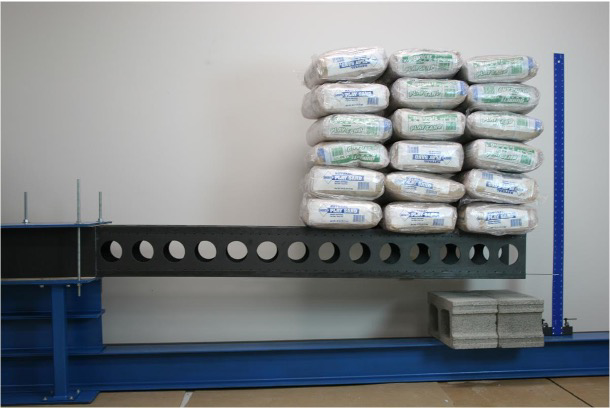
The Strength of Carbon Fiber

Carbon fiber is twice as stiff and five times stronger than steel. While stronger and stiffer than stainless steel, carbon fiber is lighter, which makes it an ideal manufacturing material.
Classifying Carbon Fiber Stiffness and Strength

Tensile modulus is defined as “the ratio of stress (force per unit area) along an axis to strain (ratio of deformation over initial length) along that axis.” Also known as stiffness, tensile modulus can predict the elongation or compression of material as long as the stress is lower than the tensile strength of the material.

Carbon fibers are classified based on the tensile modulus of the fibers. The English unit of measure is pounds of force per square inch of cross-sectional area, abbreviated as psi (or ksi for thousand psi and MSI for million psi) . There are five carbon fiber classifications: low modulus, standard modulus, intermediate modulus, high modulus, and ultrahigh modulus.

Carbon Fiber ClassLow ModulusStandard ModulusIntermediate ModulusHigh ModulusUltrahigh Modulus
Tensile Modulus GPa<227227289393758
Tensile Modulus MSI<33334257110

The stiffness and strength of a laminated carbon fiber epoxy sheet or plate are determined by:

  • The carbon fiber material properties
  • The layup schedule of the fibers (fiber orientation, weave type and thickness of laminate plies)
  • The fiber/resin ratio

A good estimate for tensile modulus for a balanced, symmetrical, 0/90deg layup schedule would be 10 MSi (70 GPA). A good estimate for tensile strength for the same layup would be 87 KSI (600 MPA).

By comparison, steel has a tensile modulus of around 29 MSI (200 GPa) and a tensile strength of 61 KSI (420 MPA ). The tensile modulus of aluminum is about 10 MSI (69 GPa) and tensile strength is 40 KSI (276 MPA)

As can be seen from the table below carbon fiber laminate has the highest specific Tensile Strength and the highest Specific Stiffness

MaterialTensile Modulus GPaTensile Strength MPaDensity g/cm3Specific Tensile Strength
Pa m3/kg
Specific Tensile Modulus
MPa m3/kg
Aluminum692762.710225.5
Steel2004207.95325.3
Carbon Fiber Laminate706001.540046.7

Ultra high modulus carbon fibers are approximately 3 times stiffer than standard modulus but are not as strong. In addition, carbon fiber has superior fatigue resistance properties when compared to both steel and aluminum. Also, when combined with appropriate resins, carbon fibers are among the most corrosion-resistant materials on the market.
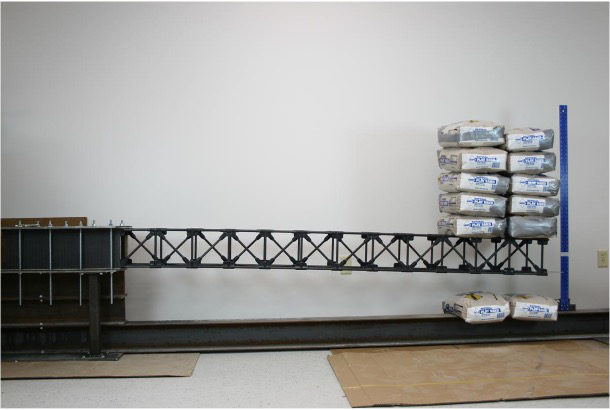
How Does Carbon Fiber Compare to Other Materials?

Fiberglass and Kevlar® laminates have densities close to that of carbon fiber. However, carbon fiber is stronger and much stiffer than either fiberglass or Kevlar®

MaterialModulus of Elasticity GPaTensile Strength MPaDensity g/cm3Specific Tensile Strength Pa m3/kgSpecific Tensile Modulus MPa m3/kg
Fiberglass254401.923113.2
Kevlar® (Aramid)304801.433320.8
Carbon Fiber706001.540046.7

Comparing the characteristics of carbon fiber to other materials is not always straightforward. There are multiple ways to measure strength, and this can make it difficult to make objective comparisons. However, when looking strictly at specific tensile modulus and specific tensile strength the choice is obvious.

Strength isn’t a top priority for every project. Often other factors like flexibility or manufacturing requirements must be considered when selecting materials for a project. When strength and stiffness and molecular weight are paramount, carbon fiber is typically the best choice.

FAQs About Carbon Fiber Strength

Does Carbon Fiber Break Easily?

Carbon fiber delivers a high strength-to-weight ratio and high resistance to fatigue. However, it does not have elastic properties like most metals. Carbon fiber can be brittle and susceptible to localized failures at stress concentrations under high forces. Proper design and engineering are crucial for optimal performance and durability.

Can You Burn Carbon Fiber?

Yes, carbon fiber is composed of carbon atoms and will combust in the presence of oxygen and sufficient heat. The resin used in composites will also contribute to combustion. A carbon fiber's burn characteristics will vary with the specific type of carbon fiber, the resin matrix, and the manufacturing process. For instance, composites used in aircraft are typically manufactured with flame-retardant epoxy resins to reduce their susceptibility to flame.

Can Carbon Fiber Rust?

Carbon fiber is a non-metallic material composed mainly of carbon atoms and thus does not contain any elements that can rust. As a result, carbon fiber is highly resistant to corrosion, making it an excellent choice for applications where exposure to moisture or corrosive environments is a concern.

How Strong Is Carbon Fiber Filament?

Carbon fiber filaments have an incredibly high tensile strength, which measures how much force they can withstand before breaking under tension. High-quality carbon fiber filaments can have tensile strengths ranging from 3,500 megapascals (MPa) to over 7,000 MPa. That is much greater than typical steel, with a tensile strength of around 400-500 MPa.

Loading...