Frequently Asked Questions

Product Information: Carbon Fiber Sheet Thickness & Properties

What are the common thicknesses available for DragonPlate carbon fiber sheets?

DragonPlate carbon fiber sheets are available in a range of standard thicknesses, including 0.013" (0.33 mm), 0.020" (0.50 mm), 0.032" (0.80 mm), 0.062" (1.57 mm), 0.125" (3.175 mm), and 0.25" (6.35 mm). These options accommodate a variety of applications, from cosmetic overlays to structural components. Note: Custom thicknesses may also be available; contact DragonPlate for details. Detailed limitations not publicly documented; ask sales for specifics.

How does the thickness of a carbon fiber sheet affect its flexibility and use?

Thinner carbon fiber sheets (e.g., 0.013") are highly flexible and can be bent around small radii, making them suitable for cosmetic overlays. As thickness increases, sheets become more rigid and less flexible. For example, a 0.032" sheet can bend around a 10-12 inch diameter, while a 0.125" (1/8") sheet is extremely rigid and best for structural applications. Note: Thicker sheets require specialized cutting tools and may not be suitable for projects needing significant flexibility.

What are the recommended uses for different carbon fiber sheet thicknesses?

Ultra-thin sheets (0.013"–0.020") are typically used for cosmetic purposes or overlays. Medium thicknesses (0.032"–0.062") serve as semi-rigid veneers or light structural materials. Thicker sheets (0.125" and above) are intended for structural applications requiring high rigidity and durability. Note: Using a sheet that is too thin for a structural application may result in insufficient strength.

Technical Requirements & Safe Handling

What tools are recommended for cutting carbon fiber sheets of different thicknesses?

For sheets up to 0.013", household scissors can be used. 0.020" sheets require heavy-duty scissors. 0.032" sheets can be cut with tin snips, a saw, a razor knife (multiple scores), or an abrasive cutting wheel. 0.062" and thicker sheets should be cut with a carbide router, CNC bit, or abrasive cutoff wheel. Sheets 0.125" and above require saws or cutting tools with carbide, bimetal, or diamond-coated surfaces. Note: Using improper tools can damage both the sheet and the user; always follow safety guidelines.

What safety precautions should be taken when cutting carbon fiber sheets?

Always wear proper personal protective equipment (PPE) when cutting carbon fiber sheets, including eye protection, long sleeves, a mask, and gloves. Cutting generates dust and splinters that can irritate eyes and lungs. Avoid fast cutting with jigsaws or circular saws, as these create excessive dust and rough edges. Protect the sheet surface with masking tape to prevent scratches. Note: Failure to use PPE can result in injury or health hazards.

Features & Capabilities

What are the key performance characteristics of DragonPlate carbon fiber sheets?

DragonPlate carbon fiber sheets offer a high strength-to-weight ratio, durability, and resistance to environmental factors. They are engineered for applications requiring both lightweight and high performance, such as aerospace, robotics, and medical devices. Impact resistance can be enhanced with Kevlar or carbon/Kevlar hybrid products. Note: For applications requiring extreme impact resistance, consider hybrid or Kevlar options. Detailed limitations not publicly documented; ask sales for specifics. Learn more about FEA.

Are DragonPlate carbon fiber sheets compliant with industry standards?

Yes, all DragonPlate products are manufactured under ISO 9001:2015 quality standards. For medical and defense applications, biocompatible and radiolucent materials are available to meet stringent regulatory requirements. Note: Not all products are biocompatible or radiolucent; confirm specifications for your application. View certification.

Use Cases & Applications

What industries and applications commonly use DragonPlate carbon fiber sheets?

DragonPlate carbon fiber sheets are used in aerospace, robotics, medical devices, defense, industrial automation, marine defense, drone technology, and the music industry. Applications range from structural components and enclosures to overlays and instrument bodies. Note: Suitability depends on the specific sheet type and thickness; consult technical documentation for guidance. See technical specs.

Can you share examples of customer success stories using DragonPlate carbon fiber sheets?

Yes. Examples include: Frontier Electronic Systems (marine defense enclosures), Eureka Dynamics (drone test bed systems), International Climbing Machines (nuclear/industrial robotics chassis), aerospace student organizations (high-altitude rockets), and the music industry (lightweight guitar designs). See Frontier Electronic Systems, Eureka Dynamics, International Climbing Machines, Aerospace Rockets, and Music Industry Demo. Note: Not all applications are suitable for every sheet type; verify requirements before ordering.

Support, Documentation & Ordering

What technical resources are available for DragonPlate carbon fiber sheets?

DragonPlate provides downloadable CAD models, detailed weights and specifications, finishes information, and a comprehensive guide to carbon fiber design and application. These resources support design, engineering, and integration. See CAD Models, Weights & Specs, Finishes, and The Ultimate Guide. Note: Some resources may require registration or direct inquiry.

How is pricing determined for DragonPlate carbon fiber sheets?

Pricing for DragonPlate carbon fiber sheets varies by product type, size, thickness, and features such as finishes or face sheet options. All prices are quoted in US Dollars. Shipping is calculated based on package weight and dimensions, with possible surcharges for oversized items. Taxes are the buyer's responsibility unless a valid exemption is provided. Prices and discounts are subject to change without notice. Note: For current pricing, visit the product page or contact sales. See Shipping & Returns.

How can I get support or custom solutions for my project?

DragonPlate offers customer support via phone (315-252-2559) and email (service@dragonplate.com). For custom fabrication, CNC cutting, or specialized laminate schedules, contact DragonPlate or Element 6 Composites with your project requirements. Note: Lead times for custom solutions depend on project complexity. Explore customization options.

Loading...

Gauging the Thickness of Carbon Fiber Sheets
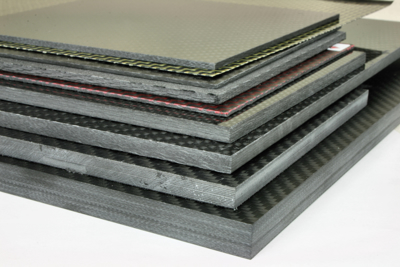
Carbon fiber sheets come in a wide range of thicknesses to accommodate a variety of projects. The thinner the sheet, the more easily it can bend without fatiguing. This is useful to know if you need to cover an item with an overlay. On the other hand, a thicker carbon fiber sheet is virtually impossible to bend, which is useful if you need a strong, rigid material to build your design.

Common Carbon Fiber Sheet Thicknesses


Carbon fiber sheets come in a variety of thicknesses. These vary slightly by manufacturer, but most offer thicknesses similar to the following. Most carbon fiber sheet manufacturers offer custom options as well. Common thicknesses include:

  • 0.013” (0.33 mm)—This is an extremely thin carbon fiber sheet, approximately the thickness of two stacked pieces of computer paper. You can easily cut this carbon fiber sheet with a pair of household scissors, and it bends around a one-inch cylinder quite easily. Carbon fiber sheets of this thickness are often used for cosmetic purposes.
  • 0.020” (0.50 mm)—About the thickness of five stacked sheets of paper they can be cut with a pair of heavy-duty scissors. They can still bend, but not as easily or as tightly as the .013” carbon fiber sheets. A sheet of this thickness bends around a cylinder of about four inches. It is a useful thickness when your main purpose is still cosmetic, but you need more strength than a thinner sheet can offer. The added thickness and stiffness offers some camouflage when covering a substrate with slight imperfections.
  • 0.032” (0.80 mm)—These are fairly rigid carbon fiber sheets, yet they are still somewhat flexible. They are nearly as thick as an audio CD. Carbon fiber sheets of this thickness are typically used flat, but they can bend around a 10-12 inch diameter cylinder. These function as a semi-rigid veneer or a light structural material. You can cut this thickness with tin snips, a saw, multiple scores with a razor knife, or an abrasive cutting wheel such as a Dremel tool. You’ll want to use 220-grit sandpaper to clean the edges after cutting if you need a smooth edge.
  • 0.062” (1.57 mm)—Slightly thicker than the audio CD example used above, this is a fairly rigid carbon fiber sheet. If you need impact resistance or are working on a small structural project, this is a great option. With only slight flexibility, the smallest cylinder you could bend it around is about 24”. It should only be cut with a carbide router, CNC bit, or abrasive cutoff wheel.
  • 0.125” (3.175 mm)—This ⅛” thick carbon fiber sheet is extremely durable and rigid. It’s the perfect material for structural applications. Use a saw, carbide, bimetal, or diamond-coated cutting tools to cut carbon fiber sheets of this thickness. Smooth the edges with sandpaper.
  • 0.25” (6.35 mm)—At a full 1⁄4” thick, these carbon fiber sheets are overkill for most projects. Small carbon fiber parts can be cut from these sheets. To cut a carbon fiber sheet this thick, you definitely need professional tools with carbide, bimetal, or diamond-coated cutting surfaces.

Safety First When Cutting Carbon Fiber Sheets

A lot has been written about the dangers of cutting carbon fiber sheets. As with most tasks, a little forethought ahead of time can prevent accidents in the end. First, be sure you are using an appropriate cutting tool for the job. The correct tool can prevent damage to both the carbon fiber sheet and the person cutting it. Appropriate cutting tools for each thickness of the carbon fiber sheet above are listed in the description. Fast cutting using a jigsaw or circular saw is not recommended since this creates a lot of carbon fiber dust, which irritates the eyes and lungs.

Fast cutting techniques also tend to leave an extremely rough edge when cutting carbon fiber sheets. When cutting thicker sheets, waterjet or CNC routers can be used. When cutting carbon fiber sheets, it’s always a good idea to protect the surface from scratches with masking tape or something similar.

As for protecting the person cutting the carbon fiber sheet, it’s always a good idea to wear the proper personal protective equipment (PPE). This includes eye protection, long sleeves, a mask, and gloves. The main dangers of cutting carbon fiber sheets are splinters and dust. Protecting yourself from these hazards goes a long way in preventing accidents.

Carbon fiber sheets have many uses and come in a wide array of thicknesses to accommodate those uses. Whether you need a thin veneer to cover a surface for a beautiful finish, or a thick sheet of material to ensure the strength of your project, carbon fiber is often the best option. Working directly with a quality carbon fiber manufacturer ensures you’ll find the right sheet thickness for your project.

Loading...